Friday, May 6, 2022

All The Whites At Woods Hollow

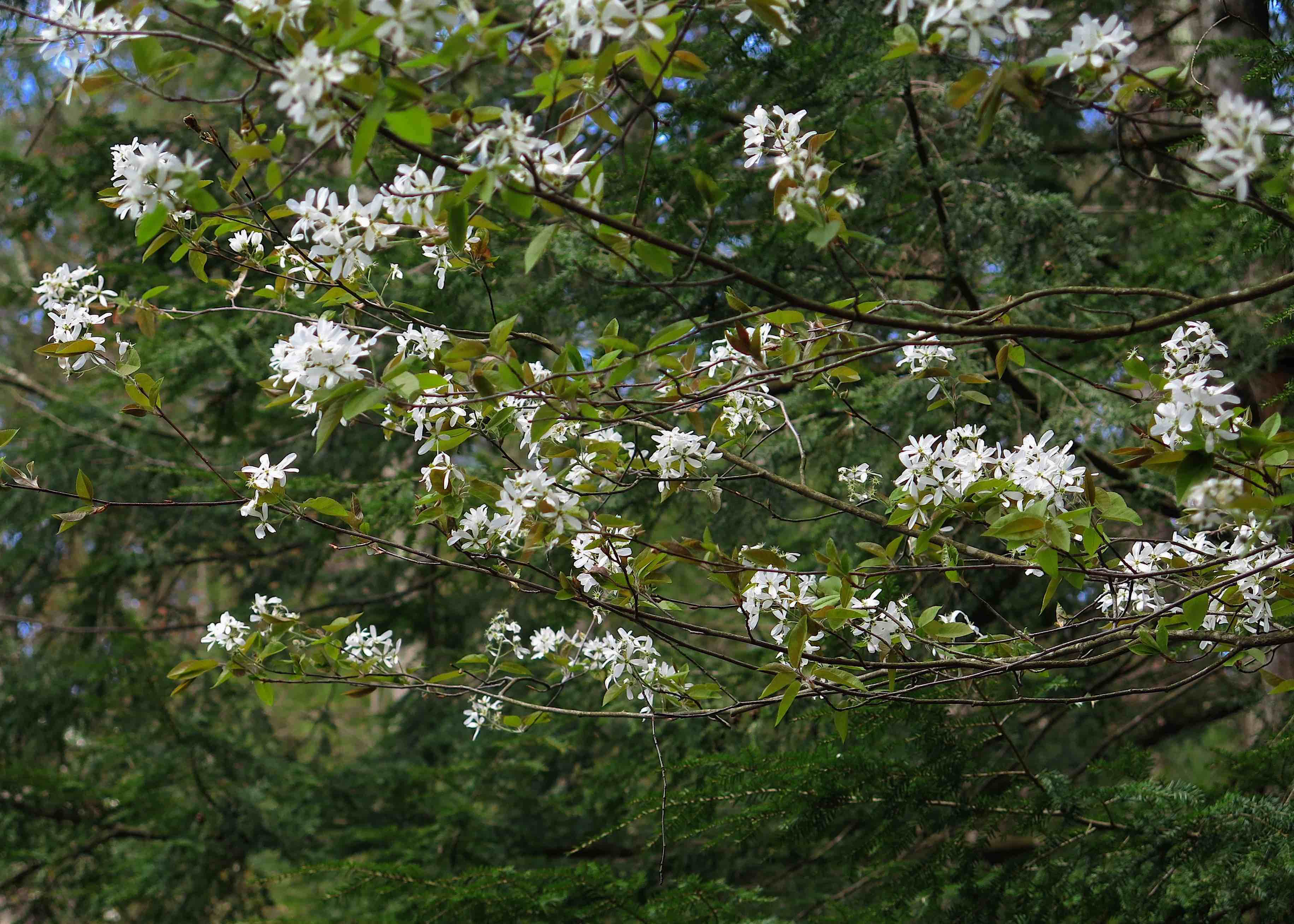
While yellow flowers took center stage in the Skidmore Woods this week (see last post), the whites were what were blooming at Woods Hollow Nature Preserve when I stopped in there briefly yesterday.  The bloom-laden boughs of a Shadblow tree (Amelanchier sp.), its flower clusters floating like puffs of white clouds against the dark trees, set the theme as I made my way to the pine-edged pond that lies at the center of this 130-acred preserve just north of Ballston Spa.


OK, the first flowering shrub that I passed as I made my way around the pond held buds that were definitely pink, not white.  But these were the buds of Highbush Blueberry flowers (Vaccinium corymbosum), which will indeed be white when the bell-shaped flowers emerge in a very few days.  A bit pink-tinged, but mostly white.


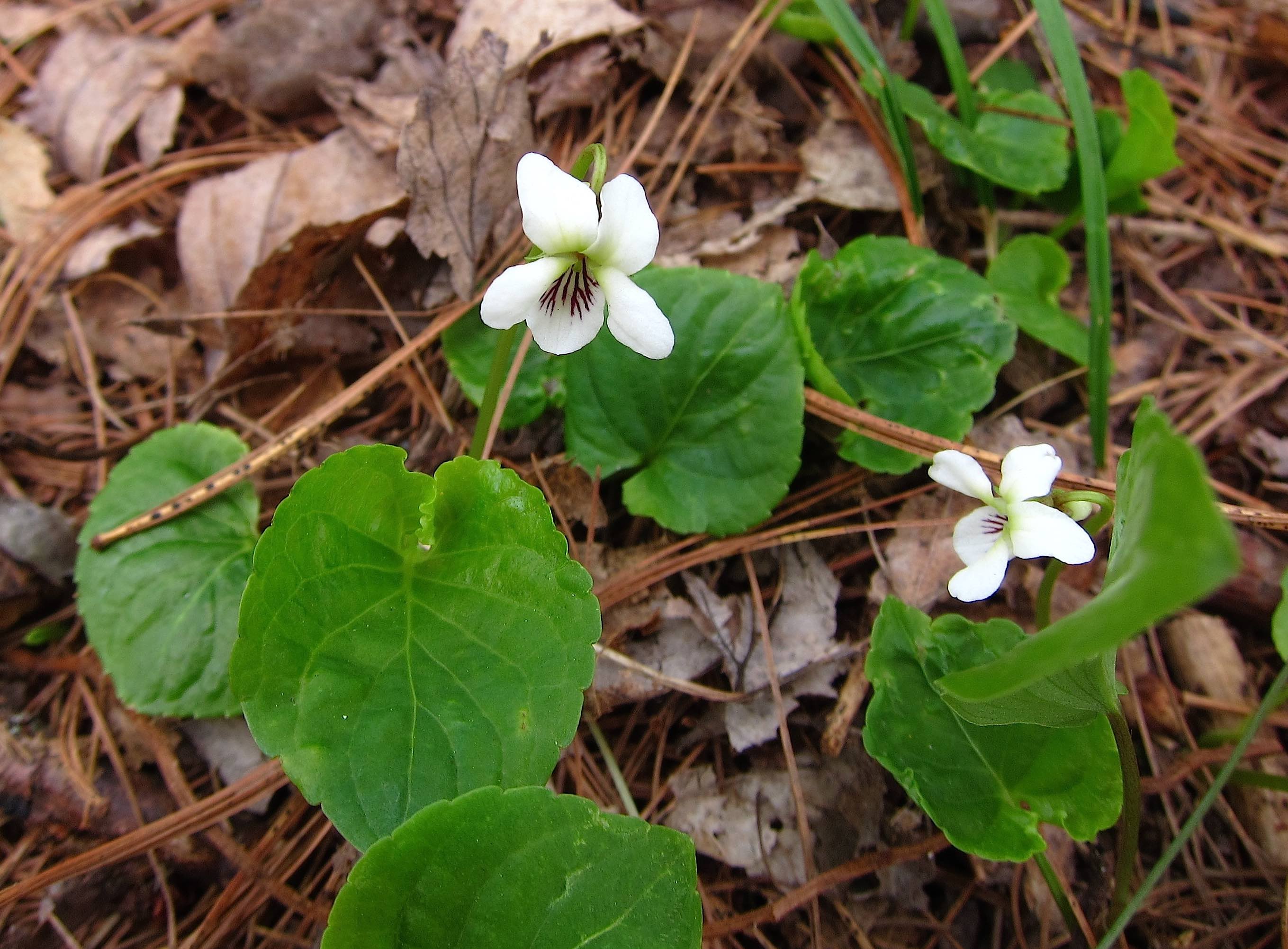
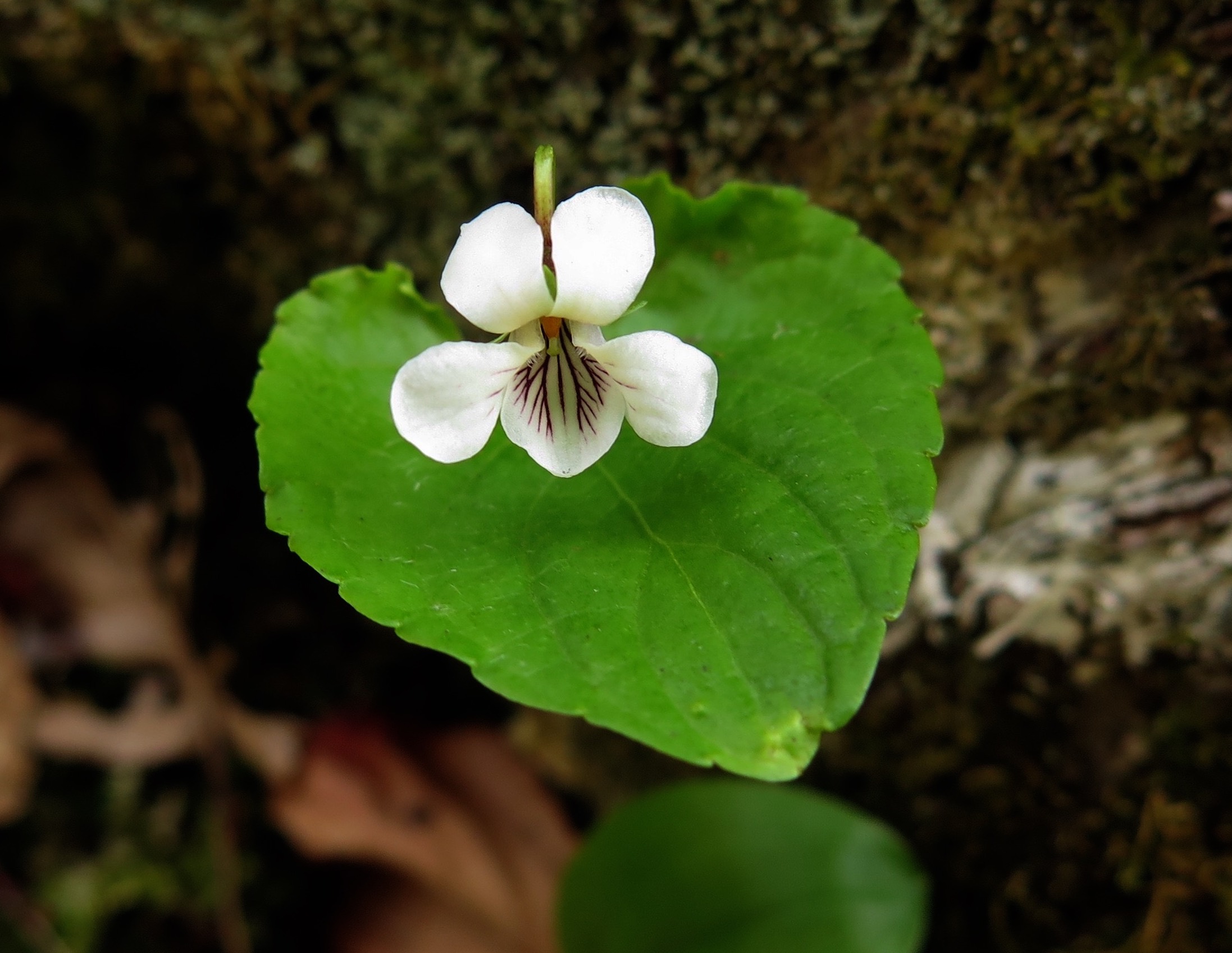
When I turned onto a wooded trail at the far north-eastern end of the pond,  I was met with the sight of uncountable numbers of tiny white violets carpeting almost an entire hillside.  


I'm not sure which Viola species this is, since we have several species of small white basal-leaved violets that I have difficulty distinguishing. But my best guess is Northern White Violet (V. pallens), based on the rounded shape of its leaves, sweet fragrance, and early bloom time. Another option might be the Sweet White Violet (V. blanda), equally white and small and fragrant.  But as Juliet once explained about roses to Romeo, a violet "by any other name would smell as sweet." And be just as beautiful.


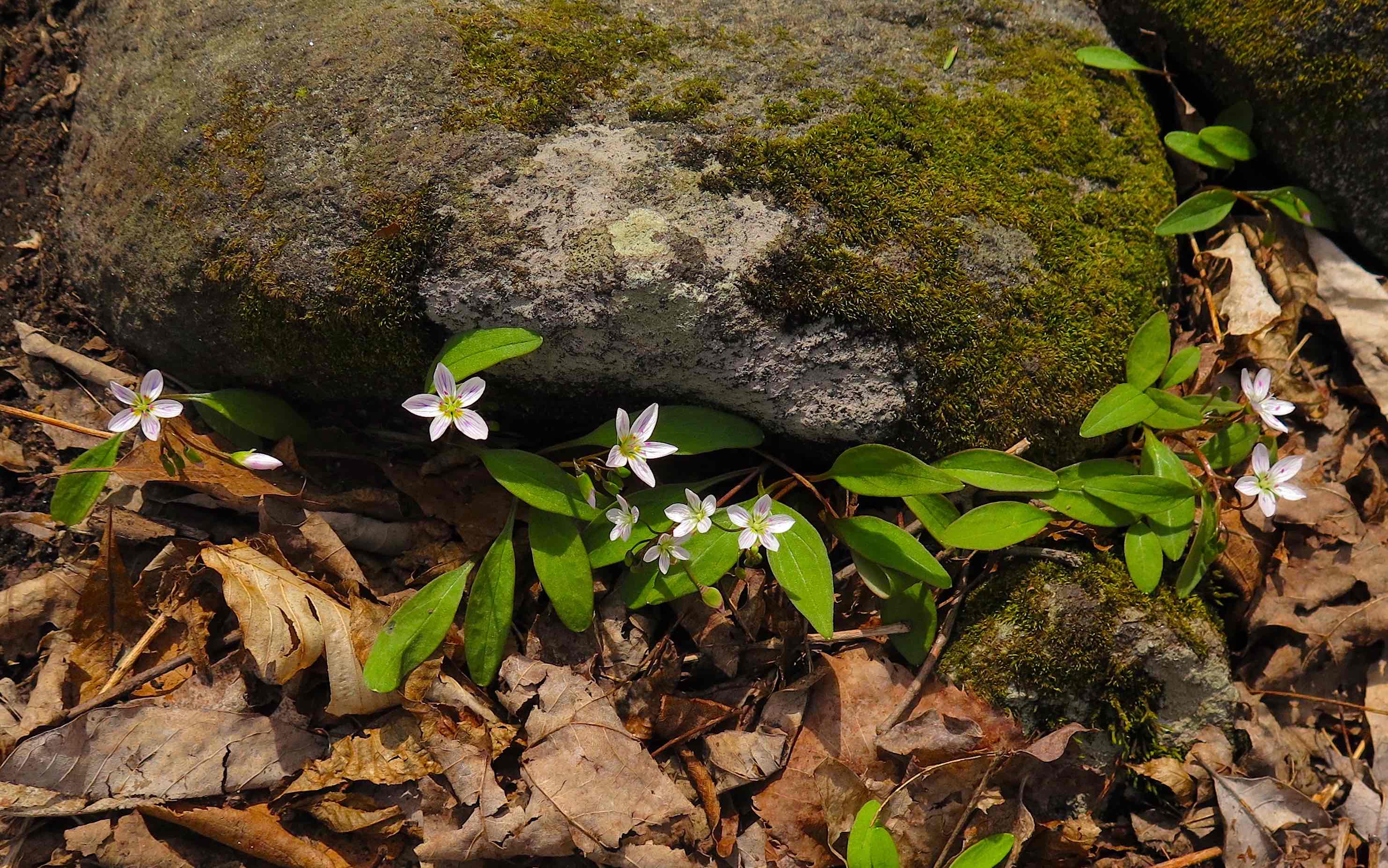
Just beyond these masses of violets lies a low swampy area paved with more white flowers.  Among them were these delicate beauties called Goldthread (Coptis trifolia), holding their flowers on slender stems above their ground-hugging three-parted leaves. The "gold" implied by this pretty plant's vernacular name does not refer to those yellow lollipop-shaped "petals" (the white parts are actually sepals), but rather to its bright-yellow thread-like underground roots. 


The most abundant denizen of this swampy spot is the low-lying species called Dwarf Ginseng (Panax trifolius), which was just beginning to open its umbels of tiny white star-shaped flowers.  This plant is a true "spring ephemeral," since as soon as its flowers drop the seeds that replace its blooms, all evidence of this plant's existence will disappear until the following spring.  I'm happy I was able to catch it in bloom, even if only partially so.


I eventually made my way to the southern end of the pond, where a sphagnum-lined boggy spot on the shore supports a population of Leatherleaf shrubs (Chamaedaphne calyculata). I feel lucky I didn't miss the long arching stalks dangling rows of bell-shaped flowers while they still appeared pristine. This is one of our earliest-to-bloom flowering shrubs, and I feared that I might have missed seeing them this year. Our cold spring must have delayed or sustained their bloom. Yay!


No flowers on these plants of Checkered Rattlesnake Plantain (Goodyera tesselata) as yet, but when they shoot up from the center of their pale-patterned basal leaves in a month or so, they will indeed be white: tiny white orchids climbing their leafless stalks.  As the litter of pine needles surrounding these plants suggests, this native orchid loves the acidic soil of a pine-populated woods.


All right, what's this blue flower (a Round-leaved Hepatica) doing in my post about white-flowered plants? Well, I couldn't ignore it, because I was so surprised to see it.  Most of our hepaticas, both the Round-lobed (Hepatica americana) and the Sharp-lobed (H. acutiloba) have finished their blooming for the year and have already gone to seed.  This plant, too, is already producing the spiky seedpods set within three-parted bracts you can see right behind the blue flower. How happy I am that I got to see just one more of its beautiful flowers, especially one that wasn't plain white (which many of them are), but one of this radiant blue color instead.


Wednesday, May 4, 2022

Yellow Flowers Take Center Stage

The yellow flowers took center stage in the Skidmore College woods late last week.  And the Red-necked False Blister Beetles soon showed up to feast on the pollen. 

Happily, I found dozens of beautiful Yellow Trout Lilies (Erythronium americanum) in full bloom, and most with their pollen intact. This lovely group of blooms was tucked into a protective tree-root niche, and its anthers still held the deep-red pollen that will shortly attract (and be consumed by) hordes of hungry beetles.


Large-flowered Bellwort (Uvularia grandiflora) was dangling its large yellow blooms with flaring petals below stem-perforated leaves. I find this species of bellwort only in lime-rich habitats, which certainly describes the limestone-underlaid woods at Skidmore College.


The later-blooming species of Blue Cohosh (Caulophyllum thalictroides) was now bearing its open yellow (not purple) flowers. The purple-flowered species called Early Blue Cohosh (Caulophyllum giganteum) had bloomed a week or so earlier and still held many flowers.  The two species grow within a few feet of each other in the Skidmore woods with no signs of hybridizing.  As the plants mature, they become quite difficult to tell apart, so I am delighted I know where to find both species so readily observable as they first come into bloom.


I had found the first yellow trumpet-shaped blooms of Leatherwood (Dirca palustris) just peeking out of their brown furry buds a couple of weeks ago, so I feared that they would be gone by now.  But no, these lime-loving shrubs with their tough leathery bark were still festooned with bright-colored flowers, even as their green leaves began to unfold.


The Spicebush shrubs (Lindera benzoin) were now fully in flower, with sessile tufts of bright-yellow blooms, male and female flowers borne on separate shrubs. If you want to know how Spicebush acquired its vernacular name, just gently scratch the bark of a twig and take a sniff. Aromatic! Also, the female shrubs will later bear red berries that can be dried and ground to substitute for Allspice in baking. Or so I've been told.


Well, it didn't take long for the Red-necked False Blister Beetles to find the pollen-bearing male Spicebush flowers. The shriveled brown tips of several anthers indicate that these two have finished their meal and are now engaged in post-prandial activity to ensure the continuation of their species.


But as this photo of an eating-orgy reveals, there doesn't seem to be any population shortage among these pollen-eating insects. They really do love Trout Lily pollen! 


When I returned the next day, I could not find a single Trout Lily that hadn't had all of its pollen devoured, leaving the anthers shriveled and black.


Luckily, unlike those beetles, Trout Lilies don't have to depend on sexual activity to reproduce. They are well able to increase their numbers clonally, by underground runners called stolons. The white stolons can sometimes be seen emerging from under the ground as they travel across the forest floor.  But it seems that they must quickly return underground, to judge by tiny "croquet wickets" I sometimes discover surrounding their patches of speckled leaves.


As the summer approaches, all traces of Trout Lily -- leaves included -- disappear from the forest floor. I wonder where the Red-necked False Blister Beetles go next, to eat their fill.

Friday, April 29, 2022

Bedrock, Early Bloomers, and Bugs

What with birthday-cake baking and present shopping, houseguests arriving, dentist appointments, etc., etc. this past week, I haven't had time to post an extensive blog. But I do want to share these photos of flowers, taken early this week in a beautiful area of the Palmertown Mountain Range in Moreau . The spring wildflower rush is upon us now, and by next week so many more flowers will be blooming, these will seem like old news by then.  And they deserve to be celebrated now!  

There's a trail that leads up to the heights of the Palmertown Mountains at the northern boundary of Saratoga County, but my favorite spot along this trail is right where the trail begins to sharply ascend. Old lady with bad knees that I am, I don't go higher, but I linger here in this stream-crossed sunlit area, surrounded by impressive bedrock and boulders, delighting in the masses of wildflowers blooming now and soon, including many lime-lovers. Must be some marble in those rocks, or emerging in springs that water the rocks or join the streams that tumble down the mountain slopes. 


Uncountable numbers of Carolina Spring Beauty (Claytonia caroliniana) abound in this spot so thickly, it is hard to walk without stepping on them. This pretty pink-striped, pink-anthered, early-blooming wildflower has certainly earned its vernacular name of Spring Beauty. It's amazing to watch the bees visiting these lovely flowers and then flying off with pollen baskets colored pink from the pollen gathered here.  


In fact, there's a particular species of bee, called the Spring Beauty Miner (Adrena eriginiae), that my friend Sue Pierce managed to get an amazing photo of:

Photo by Sue Pierce


My friend Sue and I found many, many mounds of Dutchman's Breeches (Dicentra cucullaria) leaves at this site, but only a few were blooming yet. I was grateful to find some with dark shade behind the blooms, the better to show off their pantaloon shape.


The Hepatica Festival continues, well into its third week now since the fur-covered buds first released the lovely blooms, usually in more muted colors than the two pictured here. It's rare to find the flowers so vividly colored, so these gorgeous magenta Sharp-lobed Hepatica blooms (Hepatica acutiloba) really stood out against the leaf litter. This species of Hepatica is known to prefer a calcareous habitat, and other lime-loving plants at this site -- Canada Violets, Plantain-leaved Sedge, and Maidenhair Fern -- attest to that soil chemistry. 


Quite unusual for Bloodroot (Sanguinaria canadensis), there was only this one single flower along the trail. This lovely flower usually blooms -- ah, too briefly! -- in groups. Maybe that's why this bee was loathe to leave this solitary pollen provider and stayed put for the picture-taking. 


Here was another critter that stayed around for the picture-taking. This cute little tachinid fly (a nectar-eating fly of the kind I call "bristly butts") landed on my finger and spent a considerable amount of time walking back and forth, dabbing its "tongue" on my sweat-dampened skin.  I know that the adults of these important pest-controlling insects (their larvae consume many destructive insect pests) like to sip sweet flower nectar, but in this case the fly appeared to be sipping my sweat.  Maybe it likes salty as well as sweet.


I was disappointed not to find the beautiful lime-loving Canada Violets blooming yet, but two other violets, notable for being early bloomers, had opened their beautiful flowers.  The bright-yellow blooms of Round-leaved Violet (Viola rotundifolia) were easy to spot among the leaf litter.  This violet is known to abound in the Adirondacks, but I rarely find it in the lowland woods I usually haunt. But this site in the Palmertown mountains is actually within the same eco-range as the Adirondacks, so it was not such a surprise to find it here.


These tiny white violets are probably the Northern White species (Viola pallens), due to their tiny size, roundish leaves, and early bloom-time.  I have difficulty distinguishing them from other small early white violets, so I'm glad my life doesn't depend on being correct. By whatever name they might be called, I was delighted to find them blooming abundantly along the trail. 


For a preview of the floral feast that's just beginning now, I stopped on my way home along Spier Falls Road to search among the rocky ledges lining the road for a plant that's soon to turn these ledges into amazing rock gardens.  Sure enough, the Early Saxifrage (Micranthes virginiensis) was very close to opening its clusters of tiny white blooms among the moss-covered cracks and crevices in the rock.  Red Trilliums will soon follow, joined by Shadblow Trees with their drifts of snowy flowers, and shortly after that, the deep-pink, super-fragrant blooms of Early Azalea will be spilling over these cliffs. Stay tuned!


Saturday, April 23, 2022

The Woodland Understory Aglow!


It's a magical time in the woods right now, as the Striped Maple trees (Acer pensylvanicum) can be seen throughout the understory raising their large candle-flame buds vertically from spreading branches, so the woodlands almost seem to be strung with Christmas lights. 

The fat pink-blushed buds, emerging from deep-red budscales, are napped with down-fine hairs that reflect the light with a pearlescent glow. And the branches themselves have a beauty all their own, often colored a deep maroon or a forest green,  braceleted with pale rings along their length. 


In early spring, the terminal twigs of Striped Maples are topped with three-lobed pearlescent buds emerging from deep-red scales. They remind me of royal scepters.


In just a week or so, those fat pink buds will open to release the large green baby leaves.


And then it will look as if flocks of green-winged pink birds were flitting through the forest:


As summer arrives, greenish-yellow Striped Maple flowers will dangle and dance in the breeze, as lovely as the ornaments in a geisha's elaborate hairdo.


Dangling clusters of seeds are soon to follow, providing a generous source of food for many woodland animals.


Next come the yellow Striped Maple leaves in the fall, so bright that even on dark rainy autumn days, the forest seems to glow as if bathed in sunlight.


Even the bark of Striped Maple trees offer surprising color, like these radiant blue stripes in the otherwise grayish bark of a young specimen. There's a reason this Acer species acquired the vernacular name of Striped Maple.


But the biggest surprise about the Striped Maple is the startlingly vivid scarlet its branches sometimes turn in the winter.  Not every specimen of this tree displays this remarkable color, truly vibrant against the snowy woods.  But I know of thickets where every single tree demonstrates this trait.  It's truly something to see!


I hope this post has made it obvious that Striped Maple is truly a gorgeous understory tree in every season.  But to me, it reaches its peak of marvelousness right now in early spring, before the surrounding trees and shrubs leaf out to hide its branches, those branches now adorned by big pink pearlescent buds. Go look for it now, and be prepared to be stunned by its elegance.

Tuesday, April 19, 2022

Some Early Bloomers, Often Overlooked

No point in going out today to look for spring wildflowers.  They'd all be buried under a couple of inches of snow, although thankfully, rising temps and a brisk wind are making short work of that snow. And I DID get out yesterday (a balmier day), to the middle section of the Bog Meadow Brook Nature Trail here in Saratoga Springs.  I like to enter this trail from a spur accessed through the Meadowbrook Estates residential area, for this spur leads directly to a boardwalk that crosses a wildflower-rich swamp.


I particularly like this entrance because both Skunk Cabbage (Symplocarpus foetidus) and False Hellebore (Veratrim viride) grow here side-by-side, right next to the boardwalk, so it's easy to notice the differences in their leaves. Although the two might be mistaken for each other from a distance this time of year, a closer view reveals that the narrower False Hellebore leaves have parallel veins, while the veins of the broader Skunk Cabbage leaves are pinnate, with smaller veins projecting to the side from a large mid-vein. As spring proceeds into summer, the False Hellebore will eventually tower over the Skunk Cabbage and bear clusters of small yellow-green lily-like flowers at the top of tall stems.


I came here hoping to find Marsh Marigold opening its gorgeous big yellow blooms in the wetter areas of this swamp, but no such luck!  I saw clumps of their broad green leaves, but no flowers as yet. I did find a few other flowers in bloom, but most were so small or non-showy as to usually be overlooked by the casual observer.

I'm glad I know where a few Leatherwood shrubs (Dircus palustris) grow near the trail, for it certainly would be easy to miss their small yellow trumpet-shaped blooms dangling from furry brown buds, if you weren't standing within a few feet of them.


The same is true for the tiny yellow-green flowers of Spicebush (Lindera benzoin), a few just emerging now from the globular buds that cling tightly to the shrub's slender twigs.


But I bet those two shrub-borne flowers are noticed more frequently than the almost-invisible blooms of Golden Saxifrage (Chrysosplenium americanum).  This plant's small, round, glossy-green leaves are easy enough to find, since sprawling masses of them often grow in shallow wetlands, earning them the alternate vernacular name of Water Carpet. But you have to bend down to take a close look to discover the tiny, red-dotted circular flowers. The red dots are the pistillate organs of the flowers, and eventually some even tinier yellow dots, the pollen-bearing staminate organs, will emerge as well. The flowers I found yesterday displayed only the red pistillate parts.


And talk about RED!  These tiny red flowers strewn all over the forest floor are the flowers of Red Maple trees (Acer rubrum).  I believe these are all staminate flowers, shed by the tree once they have released their pollen on the wind to pollinate the pistillate flowers that grow on separate trees. 


The only other flowers I found were those of grassy plants, neither of which is technically an actual "grass."  This clump of long slender green blades and yellow-stamened flowers is one of our woodland sedges.  It is possibly Pennsylvania Sedge (Carex pensylvanica) because of its slender leaves, although I have read that that species of sedge prefers dry soils, even though it can tolerate wetter ones.  There are many, many sedges I cannot identify.  I usually do recognize sedge flowers when I see them, though, with their tufts of tousled yellow stamens atop slender angled stems, with white thread-like pistils sprouting lower down on the stems.


Although these umbellate flowers atop slender stems are protruding from clusters of narrow green leaves, this is not a sedge, but rather a wood rush.  This is Hairy Wood Rush (Luzula acuminata), to be specific. I believe the fine hairs that suggested this plant's vernacular name are quite evident, even from this distance.  


Only the pistillate parts of this Hairy Wood Rush were protruding today, prepared to receive pollen from other nearby plants.  Eventually, the sepals will open to reveal the ring of stamens within, ready to shed their own pollen on the air to fertilize neighboring plants. When I first saw the open flowers of this wood rush, I thought they were some kind of miniature lily! (I took this photo below one year when I was lucky to find this plant at this stage.)


Oh wait!  I DID find one flower that most folks would recognize as looking like a real "flower," and that was a single plant of Carolina Spring Beauty (Claytonia caroliniana).  There were many other plants of this beautiful native wildflower growing in the same area, but only this one had come into bloom as yet.  My lucky day! 


And here was another lucky find.  A fungus, though, not a flower.  I call it "lucky" because I have never found this mushroom, Xeromphalina campanella, fruiting so generously, except in the fall, not in spring. Its scientific name means something like "little bell-shaped dry belly button," which is indeed kind of descriptive. One of its vernacular names is "Fuzzy Foot," which is also descriptive if you can find the fuzzy mass of mycelia surrounding the bottom of its stem (usually well hidden).  By whatever name it is called, I am always delighted to find its masses of tiny bright-colored disks decorating the rotting wood of fallen logs. The thick green carpet of Broom Moss certainly added to the charm of this find.


Here's a closer look at Xeromphalina campanella, revealing how adorably cute its teeny tiny mushrooms can be.